Articles Library

Let’s Play Chicken….When Plant Based Chicken tastes better than the Real Chicken….maybe the KFC Real Nuggets aren’t so good after all….
The fast-food chicken nugget, a paragon of processed food, is finally poised to transcend its animal origins: Almost a year after Burger King rolled out its plant-based Impossible Whopper, Kentucky Fried Chicken becomes the first major fast-food chain to introduce a plant-based chicken product to its stores. Beyond Fried Chicken, a collaboration between Beyond Meat…
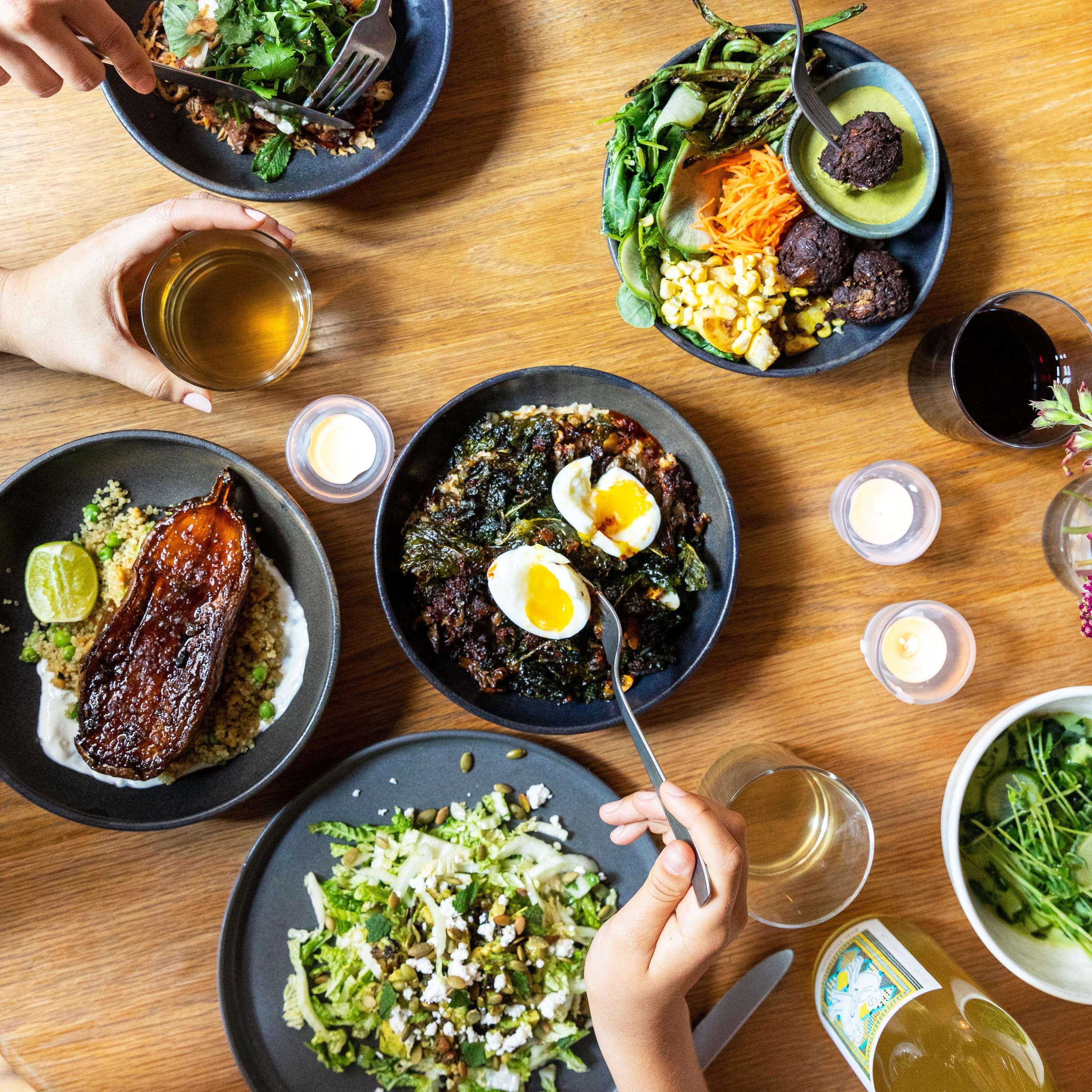
Can Zero-Waste Restaurants Succeed in New York?
This story is part of The Healthyish Guide to Eating for the Climate…Without Stressing Out, a collection of our best tips for living sustainably and eating well while doing so. When the after-dinner crowds finish their kombucha cocktails and filter out the doors of west~bourne, a LA-inspired all-day cafe in New York’s trendy Soho neighborhood,…

Are Parisian Bistros Finished or Just Getting Started? Ten years ago, French chefs reimagined the bistro. Now, they’re doing it again — in unexpected ways
A short walk from the Louvre, Chez la Vieille guards the corner of Rues Bailleul and l’Arbre Sec, as it has for 56 years. Flowing cursive spells out “Adrienne” along the top of the façade, a reference to its original proprietress, a Corsican woman named Adrienne Biasin, who opened the workaday bistro in 1958 to…
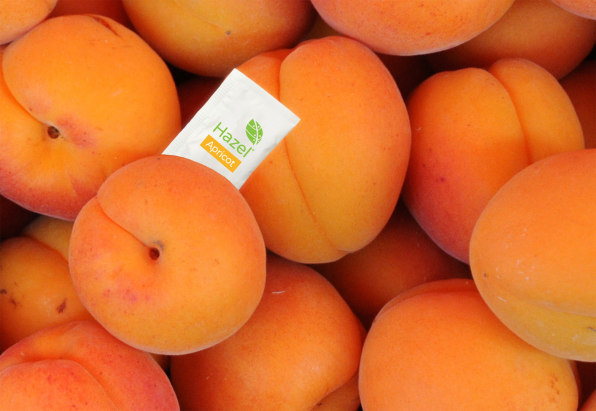
These simple packets fight food waste by miraculously keeping fruit from going bad
This tiny sachet the size of a sugar packet can be placed in a crate of fruit and it makes the produce last roughly three times longer than usual. The technology, from a startup called Hazel Technologies, was created as a simple way to tackle one piece of the world’s problem with food waste. In the…

This World Map rates countries by the sustainability of their food systems
Food systems are going to need to be resilient to withstand climate change’s effects on agriculture. Looking at 20 factors, researchers now have a big picture about which countries are most under threat. What we choose to eat can affect climate change, and that means all the factors involved in feeding our growing population—from agriculture…

Is high-risk romaine simply the new normal?
We’re in the midst of the fifth E. coli outbreak from leafy greens in just two years. It’s also the second outbreak announcement in the last month. Update 11/26/2019, 5:22 p.m.: CDC updated the number of victims from 40 to 69 since this story published yesterday. The number of states involved has increased from 16 to…

Meet the $50 Strawberries That NYC’s High-End Chefs Are Fawning Over
The “Omakase berry,” grown at an indoor farm in Jersey, is popping up at Michelin-starred restaurants like Sushi Ginza Onodera and Atomix by Devorah Lev-Tov At the end of October, diners at Sushi Ginza Onodera who indulged in the Michelin-starred restaurant’s $300 or $400 omakases would have ended their 19-course meal with a pair of…

Climate-Smart Coconut Agriculture Could Be The Caribbean’s Tree Of Life
The Coconut Tree, also referred to as the “Tree of Life”, is one of the most popular symbols of Caribbean imagery. From music, to food to art, the tropical drupe has become synonymous with Caribbean culture. With a plethora of potential uses, from coconut oil to coconut water and a variety of nutritional benefits, the…

3-Michelin-Starred Chef Dominique Crenn Will Stop Serving Meat at Her Restaurants
Where’s the beef? Well, you certainly won’t find it—or pork or chicken—at any of Dominique Crenn’s restaurants. The three-Michelin-starred chef has announced that her restaurants will no longer serve meat going forward—and haven’t been doing so for over a month now. On Thursday, Crenn Dining Group announced that, as of October 1, none of its…

Beyond vegan burgers: next-generation protein could come from air, methane, volcanic springs
It may sound like science fiction, but in a few short years the family dinner table may be laden with steak from a printer and other proteins produced from air, methane or volcanic microbes. With the explosive success of vegan beef and burger substitutes developed by Beyond Meat and Impossible Foods, the alternative protein sector…
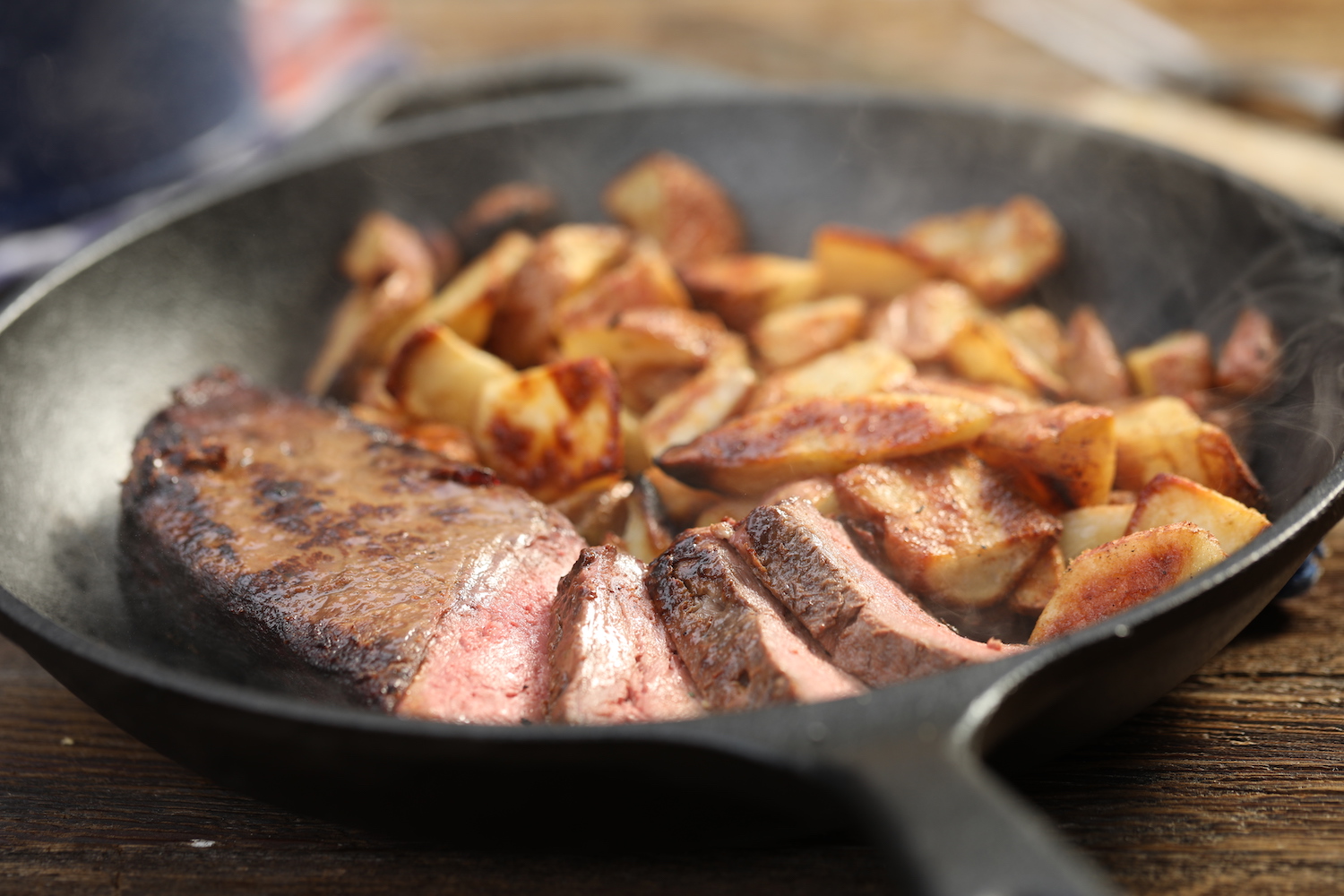
A startup just announced the world’s first fake-meat “steaks” made from fungi. Are we ready?
A new class of fungi-based steaks, cultivated from a fast-growing micro-organism, may be a paradigm-shifting meat alternative. I visited Emergy Foods’ Boulder, Colorado headquarters for a taste. A Boulder, Colorado-based startup has opened a new frontier in the world of vegan meat replacements. The company, Emergy Foods, announced on Tuesday morning the imminent launch of…

More than 1.5 million Americans are allergic to sesame. Food companies don’t have to list it on their labels
More than 1.5 million Americans experience adverse reactions to sesame every year. The flareups can be relatively minor—skin irritations like hives, for instance—or serious and life-threatening, like whole-body anaphylaxis. The FDA does not include sesame on its “Top 8 Allergens” list, which requires food manufacturers to list any of the eight most common ingredients that…