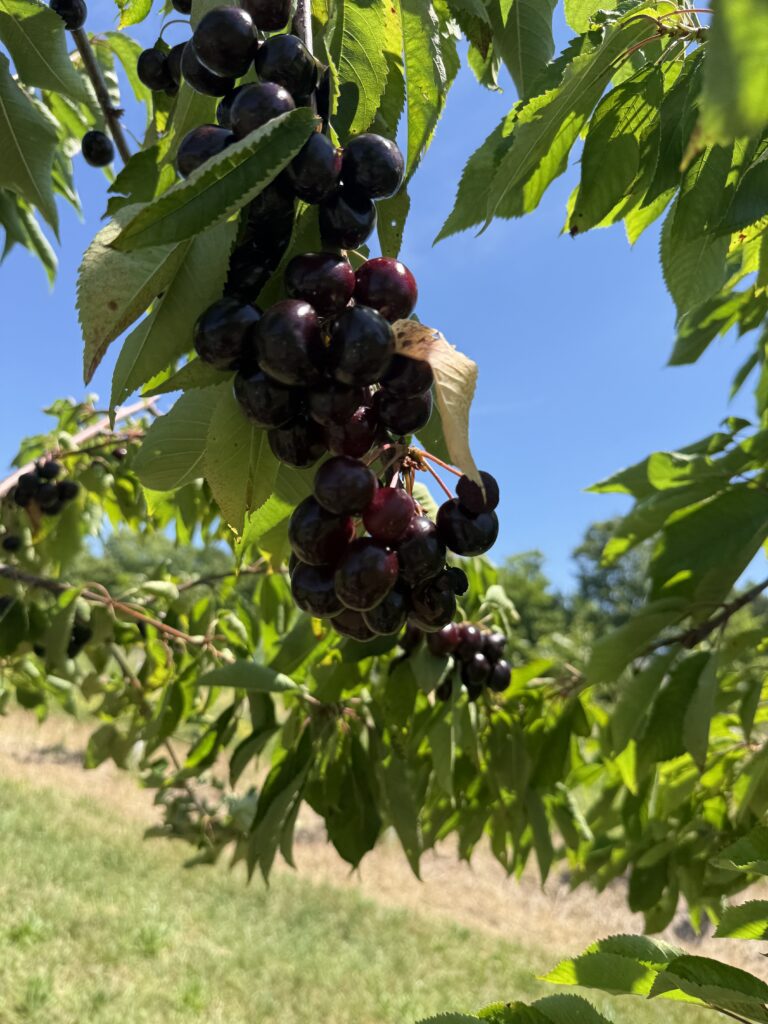

The full summer heat is ripening the Northern Michigan Cherries into candy! Traverse City, Michigan, proudly claims the title of Cherry Capital of the World—particularly for tart cherry production. The adjacent Leelanau Peninsula farm’s have the advantage in scale: the moderating influence of Lake Michigan creates an ideal microclimate, reducing frost risk and extending the growing season in an otherwise northern latitude. This unique terroir produces consistent, high-quality fruit at commercial volume.
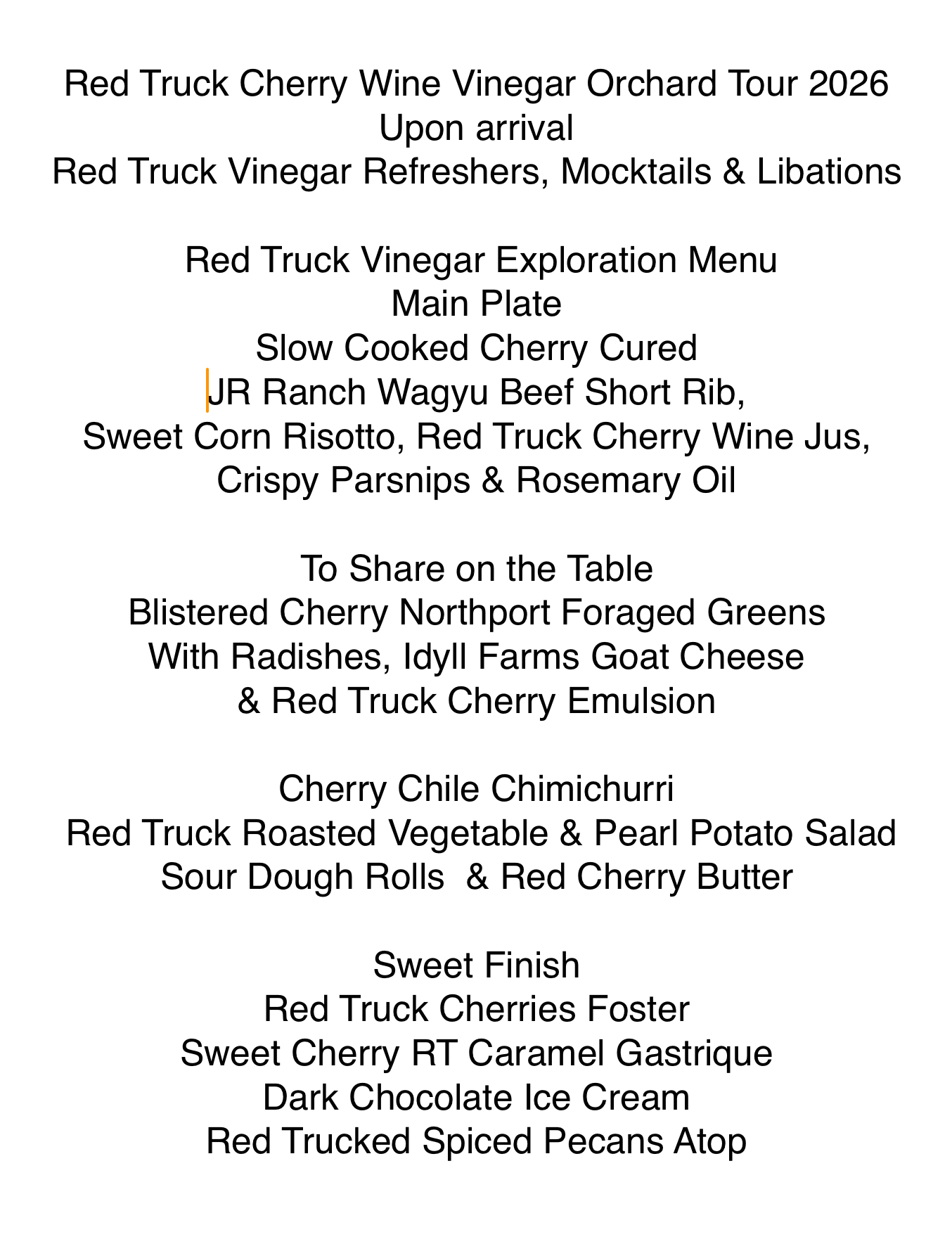
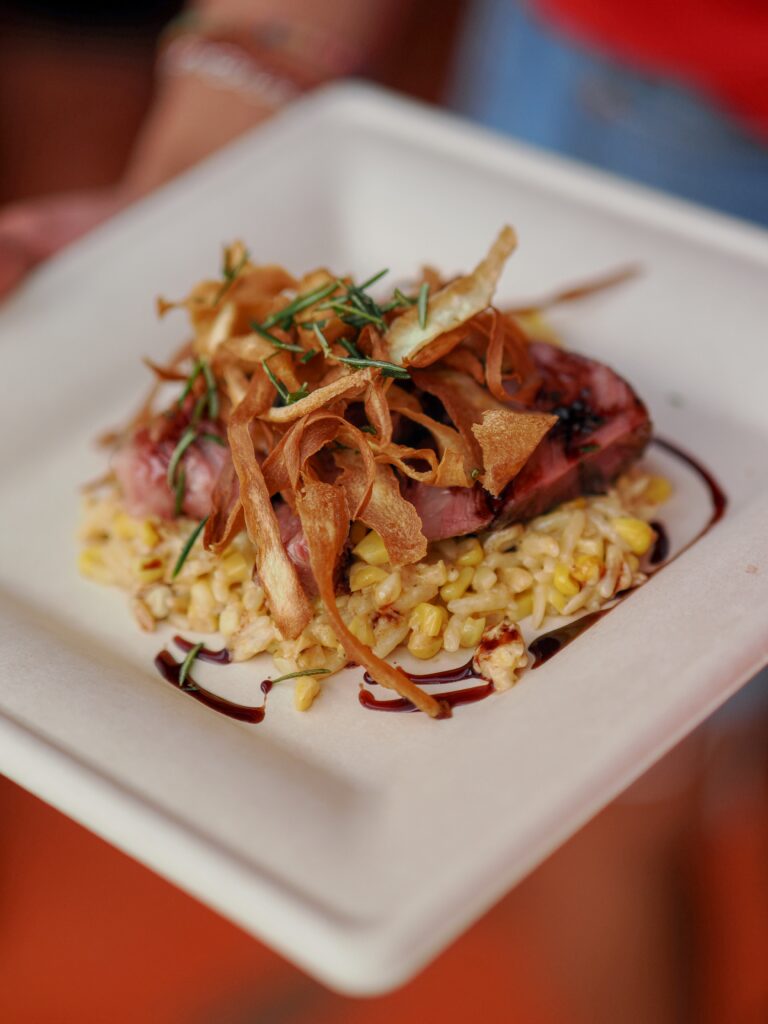
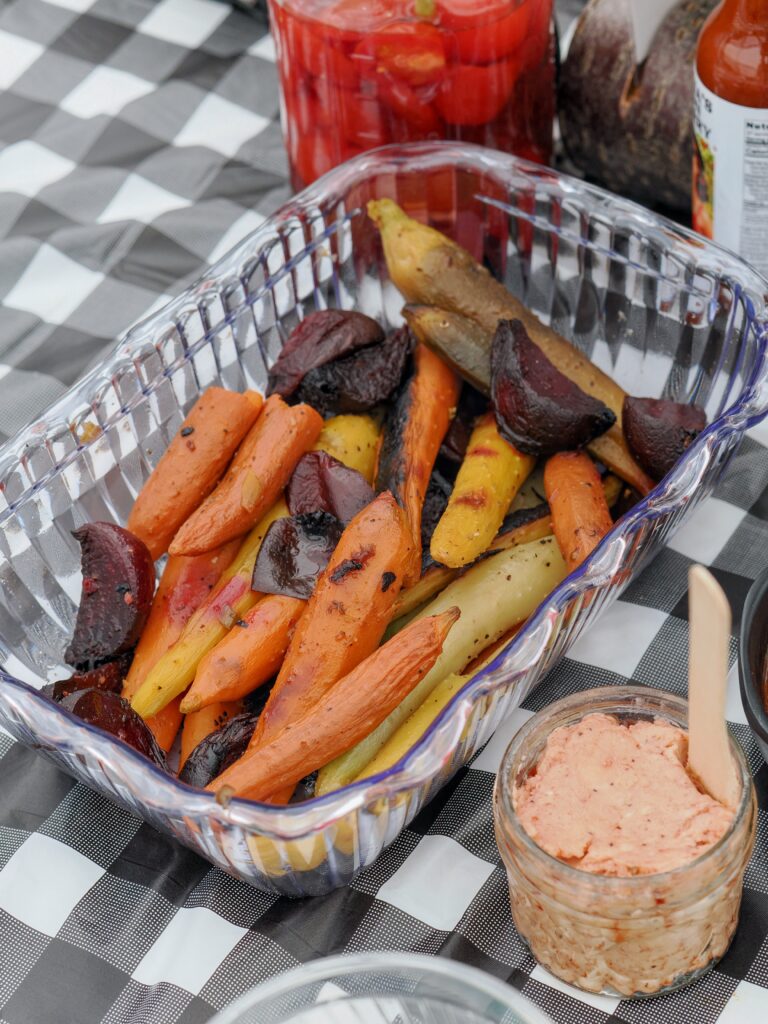
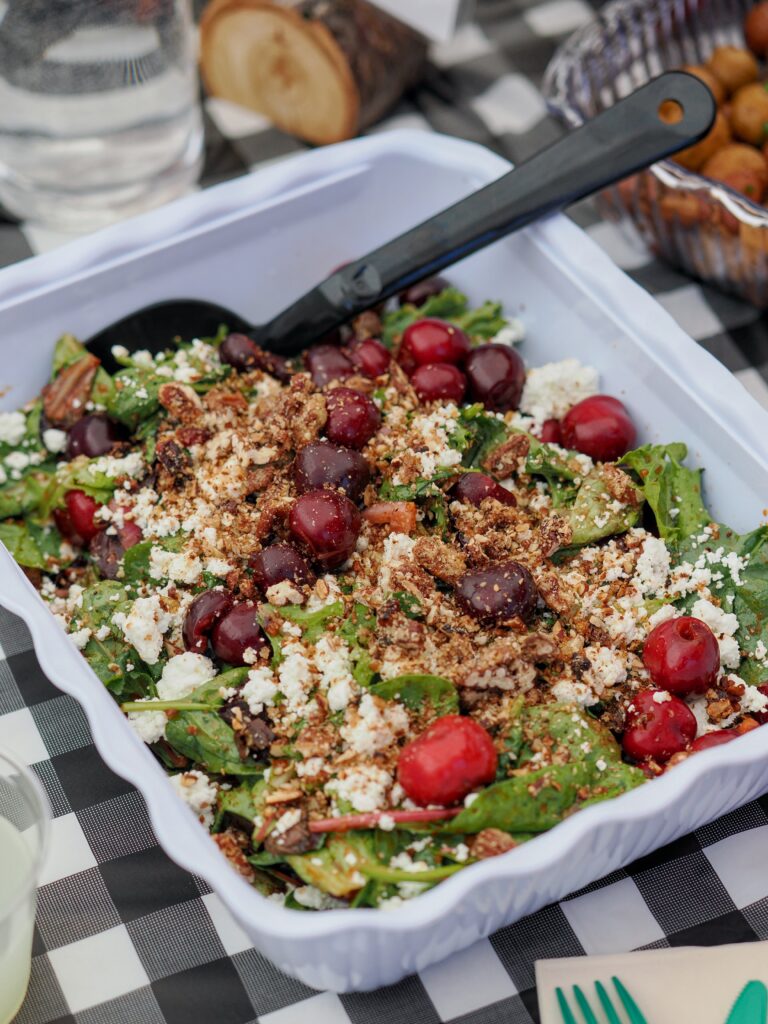
For the past 3 years we have celebrated all things cherry at the Red Truck Farms Cherry-Palooza. Cherry fans come from all over for a delicious “all things” Red Truck Farm Cherry Wine Vinegar enhanced luncheon followed by a stroll through the orchards to experience the fruit directly from the trees.
WHERE DO CHERRIES COME FROM?
Cherries trace their name to Cerasus (modern-day Giresun, Turkey), a key ancient cultivation center as early as 300 B.C. However, archaeological evidence suggests wild cherry species originated much earlier, likely in regions spanning Asia, including China as far back as 4000 B.C.
The Romans are credited with spreading cherries throughout Europe, and later, French settlers introduced them to North America via the St. Lawrence River into the Great Lakes region. Today, cherry production occurs across the United States, though much of it remains regional and seasonal—ideal for fresh, local sourcing through farm stands and specialty markets.
WHAT EXACTLY ARE CHERRIES?
Cherries are stone fruits (drupes) from the Prunus genus, which also includes plums, peaches, and almonds. They thrive in temperate climates and fall into two primary categories:
– Sweet cherries (Prunus avium): Typically eaten fresh; firm, juicy, and high in natural sugars.
– Tart or sour cherries (Prunus cerasus): Higher acidity; commonly used in baking, preserves, and functional food applications.
Key commercial and culinary varieties include:
– Bing: Deep red, firm, classic sweet cherry with balanced sugar and acid.
– Rainier (Royal Ann/Napoleon): Yellow with red blush, delicate, high sugar, lower acid.
– Montmorency: Bright red tart cherry, dominant in Michigan; excellent for cooking and drying.
– Morello: Darker tart cherry with deeper, wine-like acidity.
From a chef’s perspective, think of cherries on a spectrum: sweet cherries deliver roundness and body, while tart cherries provide structure, brightness, and contrast.
NUTRITION & FUNCTIONAL COMPOUNDS – Cherries are not just flavor-forward—they are bioactive-rich fruits with meaningful nutritional and functional value:
– Vitamin C: Supports immune function and collagen synthesis.
– Fiber: Aids digestion and satiety.
– Potassium: Supports cardiovascular health and fluid balance.
Most notably, cherries are rich in polyphenols and flavonoids, including:
– Anthocyanins (cyanidin-3-glucoside, cyanidin-3-rutinoside): Responsible for the deep red color; linked to anti-inflammatory and antioxidant effects.
– Quercetin: A flavonol with potential cardiovascular and anti-inflammatory benefits.
– Chlorogenic acid: Supports glucose metabolism.
– Melatonin (especially in tart cherries): Associated with sleep regulation and recovery.
From a formulation standpoint, tart cherries are particularly valuable in sports nutrition and recovery products due to their anti-inflammatory and oxidative stress–reducing properties.
WHY STEMS MATTER? The stem acts like a natural handle and helps protect the cherry’s “shoulder,” which is one of the most vulnerable points for bruising and moisture loss. If the stem is removed carefully from the branch during picking, the cherry can stay fresher longer; if the stem is missing or torn off, the fruit usually has a shorter shelf life and more risk of decay.
Why some are stemless? Stemless cherries are often picked for speed, processed right away, or harvested in ways that make stem retention impractical. In some cases, especially with sour cherries, the fruit may separate more readily from the stem when ripe, so stemless harvest is simply the easier option.
ADVANTAGES IN THE KITCHEN
Cherries are highly versatile:
– Can be consumed raw, dried, frozen, or preserved.
– Pair well with both sweet and savory applications.
– Offer natural acidity and sugar, making them ideal for reductions, glazes, and gastriques.
They are also naturally portionable (“finger food”) and visually striking, enhancing plate presentation.
SELECTING YOUR CHERRIES
When sourcing cherries:
– Look for firm texture and taut skin.
– Choose deep, saturated color (variety-dependent).
– Ensure stems are green and intact—this indicates freshness.
– Avoid soft spots, wrinkling, or dull skin.
Storage:
– Refrigerate unwashed in shallow containers.
- Wash only before use to prevent premature spoilage.
PREPARING YOUR CHERRIES A cherry pitter is essential for efficiency and yield preservation. Manual or lever-style pitters minimize juice loss and maintain fruit integrity.
Yield guideline:
– 1 pound fresh cherries ≈ 1 cup pitted fruit.
Handle gently during prep to preserve structure, especially for applications where visual integrity matters (plating, garnishes, compotes).
Cherry essence is a concentrated flavor base that elevates both sweet and savory applications.
Method:
1. Juice approximately half of your cherries.
2. Transfer liquid to a non-reactive saucepan.
3. Simmer gently over medium heat until reduced to a syrup-like consistency.
4. Cool and store refrigerated (up to 2 weeks) or freeze.
What better way to celebrate cherries into a great Cherry Chile Chimichurri sauce for your smokey grilled meats.
CHERRY CHILE CHIMICHURRI SAUCE
Makes 3 cups
1 cup cherry essence (tart Montmorency Cherry)
1/2 cup Chile Crunch (Momofuko-Trader Joes Chile Onion Crunch)
1/2 cup Olive Oil
1/4 cup Red Truck Cherry Wine Vinegar
Sea Salt to taste
Fresh ground black pepper to taste
1/4 cup chopped parsley
1/4 cup sliced scallions, green part
In a medium bowl whisk together the cherry essence, chile crunch, olive oil and Red Truck vinegar. Season with salt and black pepper to your taste. Stir in the parsley and scallions right before serving so they remain very fresh.
Great over all grilled foods!
Jimmy Schmidt